

How Stars are dealing with caste barriers

Of late Tollywood stars are doing films and in the process are breaking caste barriers on the screen. A source shared "With Prabhas appearing with a sacred thread in the latest poster of Fauzi and reportedly playing an upper-caste Brahmin, Telugu stars seem increasingly willing to explore characters from different castes, classes and social backgrounds."
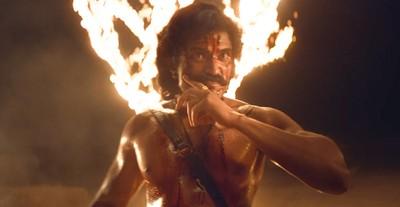
The source continues "Ram Charan has also embraced rooted characters, playing Chitti Babu in Rangasthalam and taking on another rustic tribal avatar in Peddi. Allu Arjun, meanwhile, shed his glamorous image to play Pushpa Raj, a daily-wage labourer in Pushpa: The Rise. Together, these roles indicate that mainstream Telugu cinema is moving beyond its traditional world of affluent, urban heroes."
Producer Lagadapati Sridhar says “It is a good thing to happen. I am happy that stars like Ram Charan and Allu Arjun are showing a new way by breaking conventional barriers and playing rooted characters that connect with sections of society that rarely found adequate space in mainstream cinema.”
He added “For me, everyone is equal, although caste equations continue to play a critical role in politics. Cinema is also giving more space to the aspirations and struggles of disadvantaged communities, and that augurs well.
He shared “Earlier, our heroes were mostly rich or urban youngsters. Today, they are wearing lungis, sporting beards and longer hair, and playing characters rooted in villages and smaller towns. This helps them connect with audiences even in remote regions.”
The source pointed "The trend extends beyond the top stars. Naga Chaitanya played a fisherman in Thandel, while Vaishnav Tej’s Uppena revolved around caste and class divisions. Akhil Akkineni, too, has adopted a rustic avatar in Lenin. Earlier, Vishnu Manchu essayed the role of a tribal in 'Kannappa'."
Sridhar says “Filmmakers are trying to expose regressive practices through cinema, and hard-hitting stories are increasingly finding space in the mainstream. Some films have addressed caste discrimination, others have dealt with prejudice based on skin colour, while several have depicted struggles against feudal oppression. Things are changing for the better.”
Producer Kalyan C adds “It is a good sign that Telugu films are becoming more realistic and relatable. I am glad that social evils depicted in movies are triggering discussions among people.”
He elaborated “The new-age audience is open to realism and willing to accept top heroes in rustic, close-to-real avatars. Cinema can certainly be one of the tools for social change, though it cannot transform society on its own. At best, such films can create awareness and make viewers think about the injustices around them.”
Producer Ravi Shankar Yalamanchili says “Escapist cinema is slowly making room for topical themes, thanks to young filmmakers. Audiences no longer want just four scenes and four songs. Telugu cinema has increasingly been riding on content and moving closer to the realistic storytelling seen in Tamil and Malayalam cinema.”
Director Sandeep Raj recollected “Everyone discouraged me from casting Suhas as the protagonist and questioned the offbeat theme, but I stuck to my guns. Eventually, Suhas proved ideal as the dark-skinned young lover, and the film won appreciation.”
- Pramod Nandivada